


In this article, Ill run you through my processes for keyword research and web page optimization. I understand that other SEOs might have a different approach. By all means, if you think my processes are flawed or could use improvement, please feel free to provide feedback. Im always open to learning new ways to do things and Im sure other readers are too.
Part 1. Selecting the Right Tools
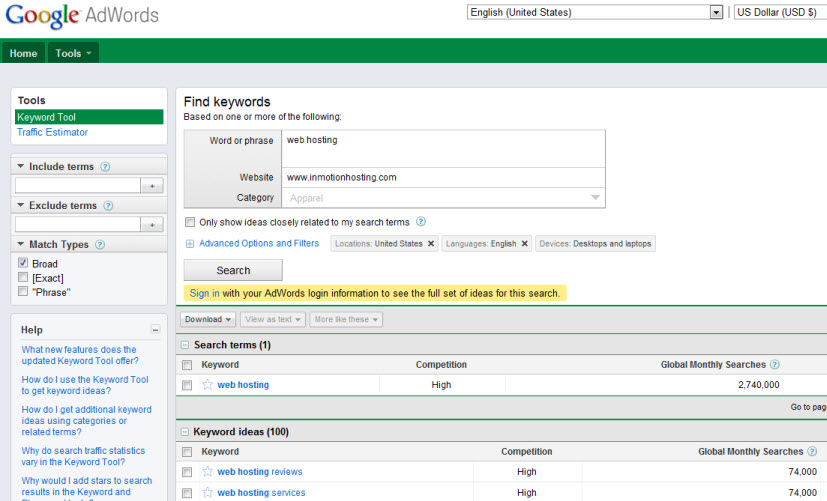
For the early stages of raw keyword research, I almost always start with the Google Adwords Tool. Here I can get a quick view of the competitive landscape and find out about the head keywords that are related to the websites industry.
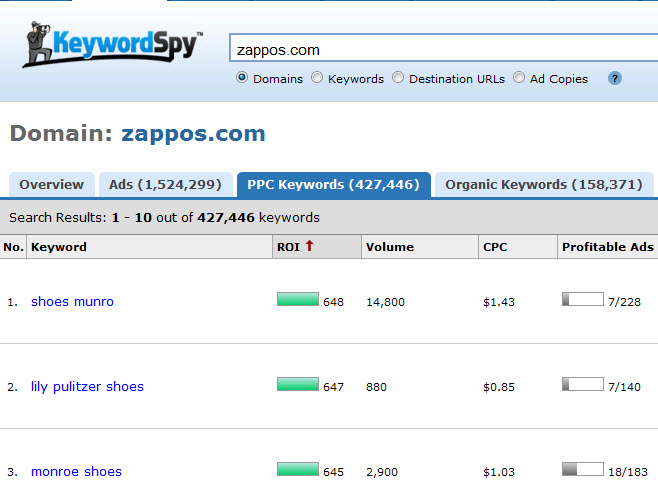
I then switch to Keyword Spy to gauge my competitions online marketing campaigns. Keyword Spy, by the way, is a great tool that allows me to see which keywords and ads my competitors are bidding on for their PPC campaigns. It also has the in-depth ability to report the consecutive number of days a company has been bidding on a keyword. The added value of a tool like this, besides it providing a ton of competitive intelligence, is that you can easily gain an idea of how much your SEO efforts could lessen your PPC expenses.
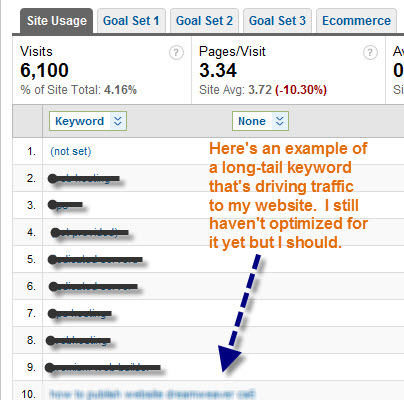
Next, I check Google Analytics for information on traffic-driving keywords that my website is not taking advantage of. Im usually surprised to discover a new long-tail keyword that has been driving traffic to my website. The performance of these long-tail keywords is usually poor (eg. high bounce rates & low average time on a web page) because I didnt know that traffic existed for the keyword. Discoveries like these are perfect opportunities to create content that contains these keyword.
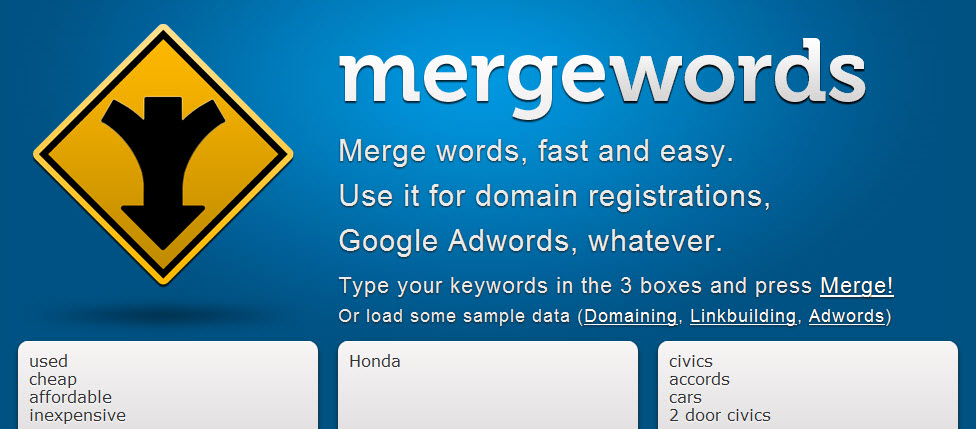
Before setting up a reporting job on Market Samurai, I use Merge Words to quickly create different variations of various keywords. Its much easier to use than Excels concatenation feature, so you should definitely use it.
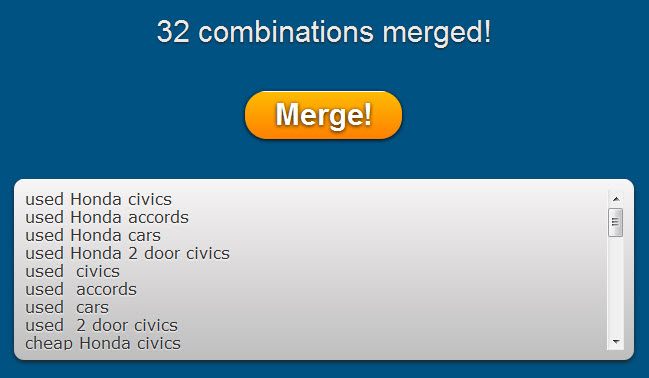
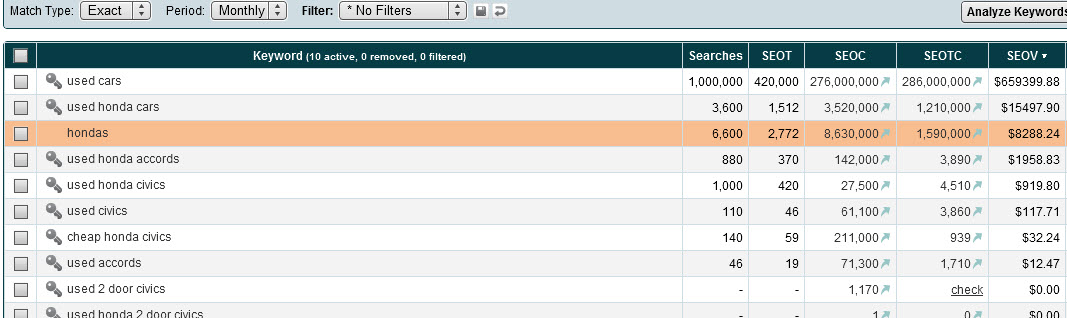
After Ive generated a long list of long-tail keywords with Merge Words and the other tools I just mentioned, I then have Market Samurai pull various information that I need to make my final selection of keywords that I should target. I always make sure that Market Samurai pulls data in Exact match. Market Samurai, though its functionality has been increasingly more limited as of late, provides important keyword metrics that I can use to select which keywords I need to use for on-page optimization.
Part 2. Keyword Selection
Alright, the fun part - selecting the keywords you want to implement into your on-page SEO.
After Market Samurai has pulled all of the data, I like to pull my websites keyword rankings using Rank Checker by SEOBooks. This tool quickly tells me if my website is in the ballpark for realistically ranking in the search results or nowhere in range.
The metrics that I mostly pay attention to the are Title Competition, SEO Competition, Monthly Searches, and SEO Traffic. Heres a quick breakdown of each of those four categories:
- Title Competition - the total # of indexed title tags a search engine has contained for that exact match keyword. The higher the value, the more competitive. For newly established websites or websites for small and medium sized companies, Im usually excited about keywords that have a value less than 100K.
- SEO Competition - the total # of indexed web pages a search engine has for that exact match keyword. Again, I prefer values less than 100K when selecting keywords for a small business website owner.
- Monthly Searches - Im a big fan of anything that is searched a few hundred times a month and has low competition. To me, its definitely worth the time and energy to optimize a web page for that keyword.
- SEO Traffic - this is the estimated amount of organic traffic you would receive if you were to rank #1 in the search results. This number can be highly inflated for certain industries and pretty accurate for others. Its up to you to determine if its on par with industry stats or if its a misleading value.
From this data, I cross-check all of my keywords with their specific data and determine if theres a golden opportunity somewhere in that spreadsheet of data. I recommend sorting out the keywords youve selected by expected traffic, current rank position, or by similarity to other keywords. This will help you prioritize your approach in web page optimization.
Part 3. Optimizing a Web Page
To get started, categorize the keywords youve selected for web page optimization. If some keywords are synonyms or variations of the same keyword, youll probably want to put those together on the same web page. Make sure that each web page is only optimized for 2-3 keywords max. Anything more than that might make it more difficult to rank for your targeted keywords.
Below are optimizations that I would consider critical to the success of a web pages SEO:
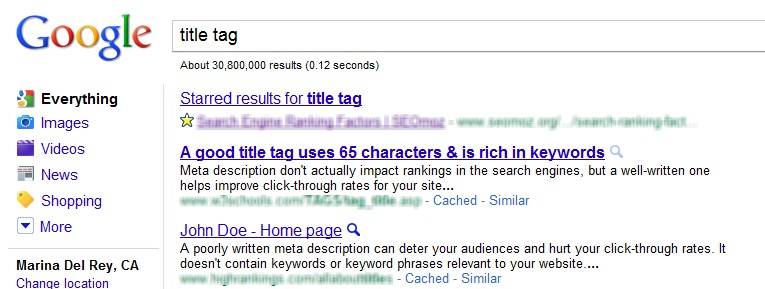
- Title Tags <title> are probably the most important on-page optimization that you can implement onto your web page. Make sure that your title tags are keyword-rich and written and with a natural human language. Title tags written for humans, not the search engine, improve a websites user experience, which should be the ultimate goal of all SEOs. Stuffing tons of keywords into title tags might get your website immediate boosts. However, this tactic will only come back to hurt your rankings. Also, keep your title tags to a maximum of 75 characters.
- <Meta Description> - Meta Descriptions are no longer a signal that helps rankings directly. Nevertheless, you should include a nice summary of your web page and make sure it includes keywords of the web page. Limit your text to 150 characters so that it shows nicely in search results. Put some thought into your Meta Descriptions. A strongly-written meta description helps Click-Through Rates, which are a ranking signal.
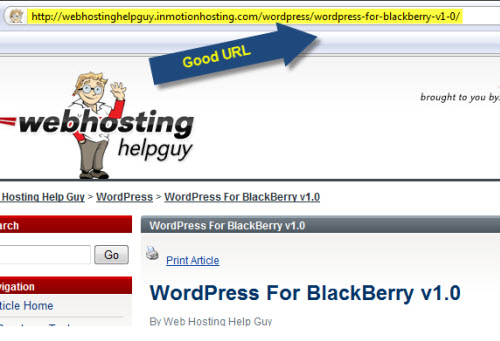
- URL Slugs - insert keywords in it and make it much easier to remember.
- <h1> & <h2> - Theyre there so you can insert keywords into them. Use them to organize your content more effectively, but dont abuse them by over-stuffing keywords into them. I would not recommend copying the web pages title tags into them. Get creative with them and write them for the end user of your website.
- Great Content - Awesome and original content is extremely important to a web pages SEO. Employ top-quality standard operating procedures for content creation. If your content is being written by someone else, make sure to check that is not being ripped off from someone elses website. I use a tool called Plagium to check when outsourced content is submitted to me by a writer.
- Backlinks - Of course you will want to get other websites to link to your website with the your targeted keywords in the anchor-text. If you cant build anchor-text specific backlinks naturally, its definitely still worth it to get a branded link (e.g. Your Site) and social media links from Twitter or Facebook. In fact, I would even state that links from Tweets, Facebook and LinkedIn are equally as important. Build links from high DA/PA websites.
Here are items that are no longer considered as valuable as they once were:
- Keyword density
- Internal linking
- Aggressive anchor-text specific link building
- Googles PageRank
Wrapping It All Up
SEO is something that you cannot just setup and forget. With time, certain keyword become more or less popular and optimizations evolve or become obsolete. Make sure to always assume that your competitors are paying close attention to what youre doing. Be prepared to to continuously make tweaks to your SEO campaign and educate yourself on the latest SEO best practices. Chances are your competitors might already be implementing them. If they are, its probably best that you figure a way to incorporate those tactics into your overall SEO strategy as well.
Want to understand more about keyword research?
About the Author: Brian Flores